
Weitong Composite Leads with Cutting-Edge Woven Roving Technology
FRP composite, short for Fiber Reinforced Polymer (or Plastic) composite, is a high-performance engineered material created by combining strong reinforcing fibers with a polymer matrix. The fibers provide mechanical strength, while the polymer matrix binds the fibers together and protects them from environmental damage. This unique combination results in a material that is lightweight yet strong, and highly resistant to corrosion and fatigue.
The basic structure of an FRP composite consists of three main components:
Reinforcing Fibers: Glass fiber, carbon fiber, or aramid fiber
Polymer Matrix: Typically epoxy, polyester, or vinyl ester
Interface (Fiber-Matrix Bond): Ensures stress transfer between fibers and matrix
In a properly manufactured FRP composite, the interface is critical. A strong fiber-matrix bond improves load transfer, increases impact resistance, and prevents delamination. This is why many manufacturers use surface treatments or sizing agents on fibers to enhance bonding performance.
The performance of an FRP composite largely depends on the type of reinforcing fiber used. Different fibers offer distinct advantages, and the selection depends on the required mechanical properties and budget.

Glass fiber is the most widely used reinforcement in FRP composites. It is popular due to its cost-effectiveness, good tensile strength, and ease of processing. GFRP (Glass Fiber Reinforced Polymer) is commonly used in construction, marine, and automotive industries.
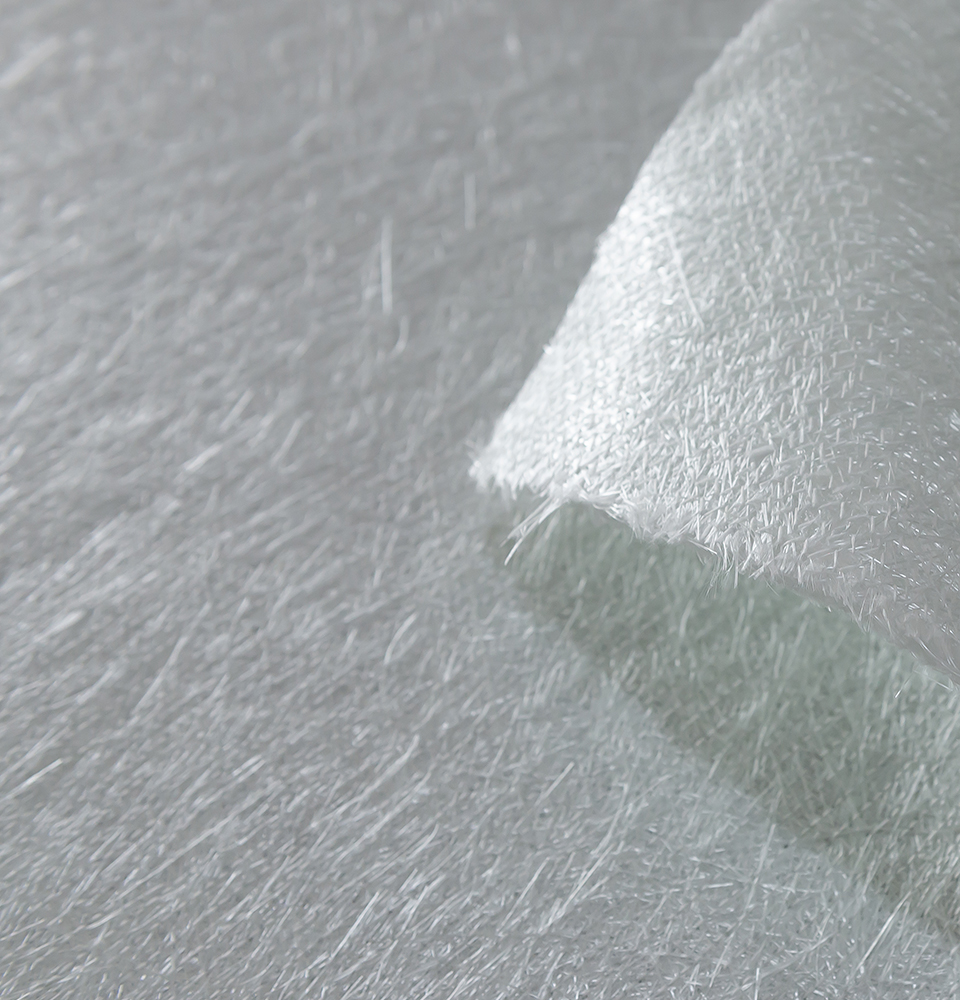
Carbon fiber is known for its exceptional strength-to-weight ratio and high stiffness. CFRP (Carbon Fiber Reinforced Polymer) is frequently used in aerospace, high-performance automotive parts, and sports equipment. Although carbon fiber is more expensive than glass fiber, it offers superior mechanical properties and fatigue resistance.
Aramid fibers, such as Kevlar, are highly valued for their impact resistance and toughness. AFRP (Aramid Fiber Reinforced Polymer) is often used in ballistic protection, aerospace components, and high-performance sporting goods. Aramid fibers also provide excellent resistance to abrasion and cutting.
FRP composites can be produced through a variety of manufacturing processes, each suitable for different product types, volume requirements, and cost constraints. The most common methods include:
This is one of the simplest and most cost-effective methods. Layers of fiber reinforcement are manually placed in a mold, then resin is applied and cured. Hand lay-up is widely used for large, low-volume parts such as boat hulls and storage tanks.
RTM is a closed-mold process where resin is injected into a mold containing the fiber preform. This method produces high-quality, dimensionally accurate parts with excellent surface finish and consistent fiber distribution.
Pultrusion is a continuous manufacturing process ideal for producing constant cross-section profiles, such as rods, beams, and structural shapes. It provides high fiber volume fraction and excellent mechanical performance.
In filament winding, continuous fibers are wound around a rotating mandrel and impregnated with resin. This process is commonly used for manufacturing cylindrical structures like pipes, pressure vessels, and storage tanks.
Each manufacturing method influences the final properties of the FRP composite, including strength, weight, and surface quality. Choosing the right process is essential for achieving optimal performance.
FRP composites offer a set of advantages that make them superior to many traditional materials such as steel and aluminum:
FRP composites deliver high mechanical strength while maintaining low density. This makes them ideal for applications requiring lightweight structural components.
Unlike metals, FRP composites do not rust or corrode. This is especially valuable in marine, chemical, and outdoor applications, where exposure to moisture and chemicals is common.
FRP composites maintain structural integrity under repeated loading and impacts. This makes them suitable for infrastructure, transportation, and protective equipment.
FRP composites can be molded into complex shapes, allowing engineers to create optimized structures that are difficult to produce using traditional materials.
Depending on the resin system, FRP composites can provide excellent insulation properties, making them useful in electrical and thermal applications.
FRP composites are widely used across multiple industries:
Aerospace, Automotive, Construction, Marine, Wind Energy