
Weitong Composite Leads with Cutting-Edge Woven Roving Technology
When selecting core materials for composite structures, strength and durability are critical factors. Fiberglass core mats are known for their excellent tensile strength and fatigue resistance, making them suitable for applications that demand long-term structural integrity. Foam cores, while lightweight, typically provide moderate strength and may be prone to compression or indentation under high loads. Balsa cores, despite being a natural wood material, offer an exceptional strength-to-weight ratio, especially when properly sealed and laminated with epoxy or resin systems. For marine, aerospace, and automotive industries, understanding the load-bearing capabilities of each core material is essential to ensure safety and longevity.
Lightweight design is a major driver in composite material selection. Foam cores are generally the lightest option, reducing overall structure weight significantly. This is ideal for applications such as yacht decks, aircraft panels, or lightweight automotive components. Balsa cores, though slightly heavier than foam, deliver remarkable stiffness without drastically increasing weight. Fiberglass core mats, on the other hand, offer higher strength but a higher weight penalty than foam and balsa. Engineers often balance weight reduction with mechanical performance, choosing cores that optimize both. For instance, in high-performance boat building, a combination of fiberglass skins with a balsa core provides an ideal stiff yet lightweight structure.
Cost is often a deciding factor in material selection. Foam cores are usually the most budget-friendly option, widely available in various densities and thicknesses. Fiberglass core mats come at a moderate cost, reflecting their durability and high mechanical performance. Balsa cores, being a natural material with superior performance, are often more expensive, particularly for high-grade, defect-free sheets. When planning a project, it is important to evaluate not only initial material costs but also long-term benefits, such as maintenance, lifespan, and resistance to environmental conditions.
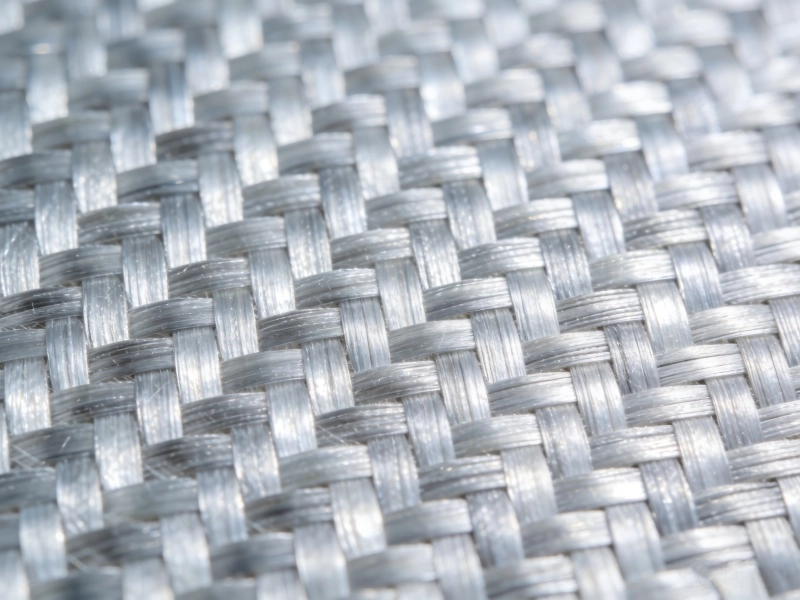
Fiberglass core mats are highly versatile and commonly used in industries that require strong and resilient composite panels. Typical applications include:
• Marine industry: boat hulls, decks, bulkheads
• Aerospace components: interior panels, floorboards
• Automotive applications: lightweight body panels and reinforcement structures
Fiberglass cores excel in situations where impact resistance, moisture tolerance, and structural integrity are essential.
Foam cores, with their low weight and ease of machining, are popular in insulated panels, wind turbine blades, and sandwich composites. Balsa cores are frequently selected for high-performance racing boats, custom surfboards, and structural panels where stiffness-to-weight ratio is a critical factor.
Pros:
High tensile strength and durability
Excellent moisture and chemical resistance
Versatile for various industrial applications
Cons:
Heavier than foam or balsa
Higher material and fabrication cost compared to foam
Pros:
Extremely lightweight
Cost-effective and easy to process
Good for insulation and low-stress applications
Cons:
Lower mechanical strength and stiffness
Prone to compression under high loads
Pros:
Exceptional strength-to-weight ratio
Naturally renewable material
Ideal for high-performance, lightweight structures
Cons:
Sensitive to moisture if not properly sealed
More expensive than foam or standard fiberglass cores